



Rapeseed oil
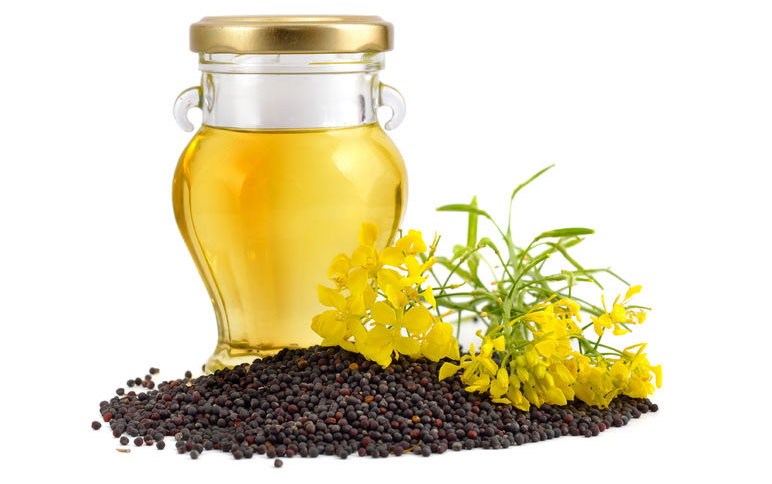
Rapeseed oil is one of the oldest known vegetable oils, but historically was used in limited quantities due to high levels of erucic acid, which is damaging to cardiac muscle of animals, and glucosinolates, which made it less nutritious in animal feed. Rapeseed oil can contain up to 54% erucic acid. Food-grade canola oil derived from rapeseed cultivars, also known as rapeseed 00 oil, low erucic acid rapeseed oil, LEAR oil, and rapeseed canola-equivalent oil, has been generally recognized as safe by the United States Food and Drug Administration. Canola oil is limited by government regulation to a maximum of 2% erucic acid by weight in the USA and 5% in the EU, with special regulations for infant food. These low levels of erucic acid are not believed to cause harm in human neonates.
Rapeseed oil is used as diesel fuel, either as biodiesel, straight in heated fuel systems, or blended with petroleum distillates for powering motor vehicles. Biodiesel may be used in pure form in newer engines without engine damage and is frequently combined with fossil-fuel diesel in ratios varying from 2% to 20% biodiesel. Owing to the costs of growing, crushing, and refining rapeseed biodiesel, rapeseed-derived biodiesel from new oil costs more to produce than standard diesel fuel, so diesel fuels are commonly made from the used oil. Rapeseed oil is the preferred oil stock for biodiesel production in most of Europe, accounting for about 80% of the feedstock, partly because rapeseed produces more oil per unit of land area compared to other oil sources, such as soybeans, but primarily because canola oil has a significantly lower gel point than most other vegetable oils.
Crops from the Brassica family, including rapeseed, were among the earliest plants to be widely cultivated by mankind as early as 10,000 years ago. Rapeseed was being cultivated in India as early as 4000 B.C. and it spread to China and Japan 2000 years ago.
Oilseed rape is predominantly cultivated in its winter form in most of Europe and Asia due to the requirement of vernalization to start the process of flowering. It is sown in autumn and remains in a leaf rosette on the soil surface during the winter. The plant grows a long vertical stem in the next spring followed by lateral branch development. It generally flowers in late spring with the process of pod development and ripening occurring over a period of 6-8 weeks until midsummer.
In Europe, winter rape is grown as a annual break crop in three to four year rotations with cereals such as wheat and barley, and break crops such as peas and beans. This is done to reduce the possibility of pests and diseases being carried over from one crop to another. Winter rape is less susceptible to crop failure as it is more vigorous than the summer variety and can compensate for damage done by pests.